
Introduction
Fruit sugar, commonly known as fructose, is a naturally occurring sugar found in fruits, vegetables, and honey. It is one of the sweetest naturally available sugars and plays an important role in human nutrition and food industries. Unlike refined sugars, fruit sugar comes packed with essential nutrients, fiber, and antioxidants when consumed in its natural form.
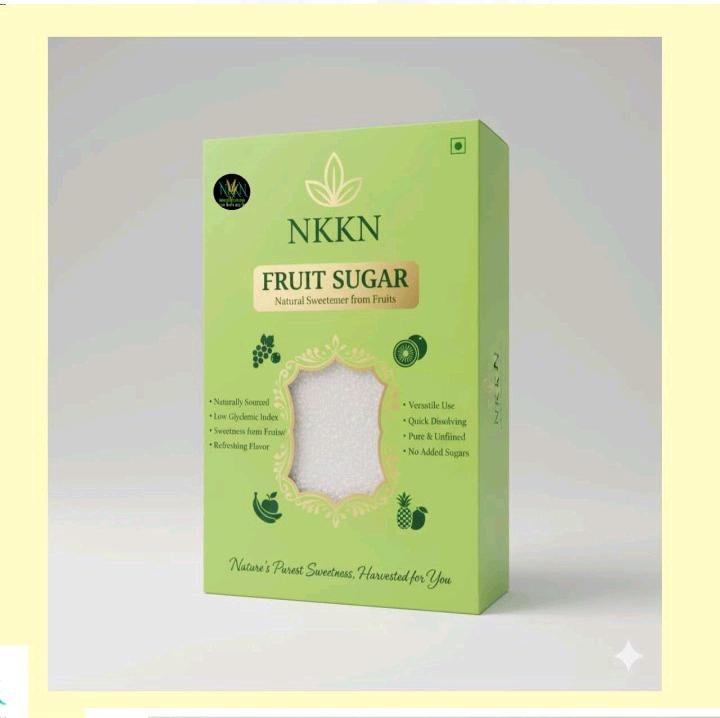
At NKKN, we focus on delivering high-quality sugar solutions while promoting awareness about natural alternatives like fruit sugar. In this detailed guide, you will learn everything about fruit sugar—its composition, sources, benefits, uses, and how it compares with other types of sugar.
What is Fruit Sugar?
Fruit sugar refers to fructose, a type of simple sugar (monosaccharide) naturally found in fruits. It is one of the three main dietary sugars, alongside glucose and sucrose.
Fructose is unique because:
- It is sweeter than regular table sugar (sucrose)
- It is absorbed differently in the body
- It has a low glycemic index compared to glucose
When fruits are consumed whole, fructose is accompanied by fiber, vitamins, and minerals, making it a healthier option compared to processed sugars.
Chemical Composition of Fruit Sugar
Fructose has the chemical formula C₆H₁₂O₆, the same as glucose, but with a different structure. This structural difference gives fructose its distinctive sweetness and metabolic pathway.
Key properties:
- Highly soluble in water
- Sweeter than sucrose
- Naturally occurring monosaccharide
In the body, fructose is primarily metabolized in the liver.
Natural Sources of Fruit Sugar
Fruit sugar is widely distributed in nature. Some of the richest sources include:
Fruits
- Apples
- Mangoes
- Bananas
- Grapes
- Watermelon
- Pineapple
Other Natural Sources
- Honey
- Root vegetables (like carrots and sweet potatoes)
- Some grains
NKKN encourages the consumption of natural fruit-based sugars as part of a balanced diet.
Fruit Sugar vs Regular Sugar
Understanding the difference between fruit sugar and regular sugar is important.
Fruit Sugar (Fructose)
- Found naturally in fruits
- Sweeter than sucrose
- Lower glycemic index
- Comes with nutrients when consumed as whole fruit
Regular Sugar (Sucrose)
- Made of glucose + fructose
- Processed and refined
- Higher glycemic impact
- Lacks additional nutrients
While both provide energy, fruit sugar in natural form is generally considered healthier.
Nutritional Value of Fruit Sugar
When consumed through whole fruits, fruit sugar provides more than just sweetness.
Nutritional Benefits:
- Vitamins (Vitamin C, Vitamin A)
- Minerals (Potassium, Magnesium)
- Dietary fiber
- Antioxidants
However, pure fructose (isolated form) provides calories without these additional nutrients.
Benefits of Fruit Sugar
1. Natural Sweetness
Fructose is one of the sweetest natural sugars, allowing less quantity to achieve the same sweetness.
2. Energy Source
Provides quick energy for the body, especially useful for active individuals.
3. Low Glycemic Impact
Does not spike blood sugar levels as rapidly as glucose.
4. Rich in Nutrients (in whole fruits)
When consumed as fruits, it supports overall health.
5. Supports Digestion
Fiber in fruits helps improve digestion.
NKKN promotes mindful consumption of natural sugars for better health.

Health Considerations
While fruit sugar is natural, excessive intake—especially in processed form—can have negative effects.
1. Liver Load
High fructose intake can put stress on the liver.
2. Weight Gain
Excess calories from fructose may contribute to obesity.
3. Metabolic Issues
Overconsumption is linked to insulin resistance and fatty liver.
Important Note:
Whole fruits are healthy, but excessive intake of processed fructose (like syrups) should be avoided.
Fruit Sugar in Processed Foods
Fruit sugar is often used in processed forms such as:
- High-fructose corn syrup (HFCS)
- Fruit concentrates
- Sweetened beverages
- Packaged snacks
These forms lack fiber and nutrients, making them less healthy than whole fruits.
NKKN focuses on quality and transparency in sugar sourcing and usage.
Role of Fruit Sugar in Diet
Fruit sugar can be part of a healthy diet when consumed properly.
Best Practices:
- Prefer whole fruits over juices
- Avoid excessive processed foods
- Balance sugar intake with protein and fiber
- Maintain portion control
Fruit Sugar in Fitness and Lifestyle
For Athletes:
- Quick energy source
- Helps replenish glycogen stores
For Weight Management:
- Natural fruits can help satisfy sweet cravings
- Low glycemic impact supports steady energy levels
For Daily Life:
- Ideal for natural sweetness in meals and snacks
Fruit Sugar in Food Industry
Fructose is widely used in the food industry due to its sweetness and solubility.
Applications:
- Soft drinks
- Bakery products
- Confectionery
- Dairy products
- Sauces and dressings
NKKN ensures that its sugar products meet high industry standards.
Fruit Sugar vs Artificial Sweeteners
Fruit Sugar
- Natural
- Provides calories
- Contains nutrients (in whole fruits)
Artificial Sweeteners
- Synthetic or highly processed
- Zero or low calories
- No nutritional value
Natural fruit sugar is often preferred for a healthier lifestyle.
Fruit Sugar in Cooking and Baking
Fruit sugar can enhance flavor and texture in cooking.
Uses:
- Sweetening desserts
- Adding flavor to smoothies
- Baking cakes and muffins
- Making jams and preserves
However, due to its high sweetness, it should be used in controlled quantities.
Storage and Handling
Whole Fruits:
- Store in cool, dry places or refrigerators
- Consume fresh for maximum nutrition
Processed Fruit Sugar:
- Keep in airtight containers
- Avoid moisture exposure
Proper storage helps maintain quality and taste.
Myths About Fruit Sugar
Myth 1: All Sugar is Bad
Truth: Natural sugars in fruits are beneficial when consumed in moderation.
Myth 2: Fruit Sugar Causes Diabetes
Truth: Whole fruits do not cause diabetes; excessive processed sugar does.
Myth 3: Fruit Juice is as Healthy as Whole Fruit
Truth: Juice lacks fiber and may contain concentrated sugar.
Sustainability and Natural Sugar Sources
Sustainable farming practices are essential for maintaining natural sugar sources.
Key Focus Areas:
- Organic farming
- Reduced chemical use
- Efficient water management
NKKN supports responsible sourcing and sustainable practices.
Why Choose NKKN?
1. Quality Assurance
High standards in sugar production and sourcing.
2. Trusted Brand
Known for reliability and consistency.
3. Versatile Products
Suitable for both household and industrial use.
4. Customer Focus
Committed to health and quality.
Tips for Healthy Sugar Consumption
- Choose natural sources like fruits
- Limit processed sugars
- Read food labels carefully
- Maintain a balanced diet
- Stay physically active
Future of Natural Sugars
The demand for natural and healthier sugar alternatives is growing.
Trends:
- Increased use of fruit-based sweeteners
- Organic food demand
- Health-conscious consumers
NKKN continues to innovate in line with these trends.
Conclusion
Fruit sugar, or fructose, is a natural and essential part of our diet. When consumed through whole fruits, it offers numerous health benefits, including vitamins, minerals, and antioxidants. However, like all sugars, it should be consumed in moderation.
Understanding the difference between natural and processed forms of fruit sugar is key to making healthier choices. NKKN is committed to providing high-quality sugar products while promoting awareness about balanced consumption.
Incorporating natural fruit sugar into your diet can help you enjoy sweetness without compromising your health.
FAQs
1. What is fruit sugar?
Fruit sugar is fructose, a natural sugar found in fruits.
2. Is fruit sugar healthy?
Yes, when consumed as part of whole fruits.
3. Can fruit sugar replace regular sugar?
It can be used as a natural alternative in many cases.
4. Is fruit sugar good for diabetics?
Whole fruits can be consumed in moderation, but medical advice is recommended.
5. Why choose NKKN?
NKKN provides high-quality, reliable, and trusted sugar products.
NKKN – Naturally Sweet, Naturally Better